Hanika: A Playful Handwritten Font for Makers and Creative Sellers
While designing a new line of seasonal candle labels last week, I found myself scrolling through font after font, trying to find that perfect match. I wanted something that felt personal, a little whimsical, but still professional enough for packaging. That’s when I landed on Hanika—a sweet, handwritten script that immediately brought warmth and charm to my label mockup. It wasn’t just the look that won me over—it was the way it made my product feel more human, more authentic.
Bringing Hanika Into Real Projects
I first used Hanika for a set of custom candle labels for a small batch of lavender soy candles. The font’s soft curves and natural flow gave the labels a handcrafted feel without looking messy or overly stylized. It paired beautifully with a simple kraft paper background and earthy tones, making the whole design feel cohesive and intentional. I also tested it on a sticker sheet for planner inserts, and it held up well even at smaller sizes—especially when I made sure to keep the text short and used bold outlines for cut lines.
Visual Personality and Creative Appeal
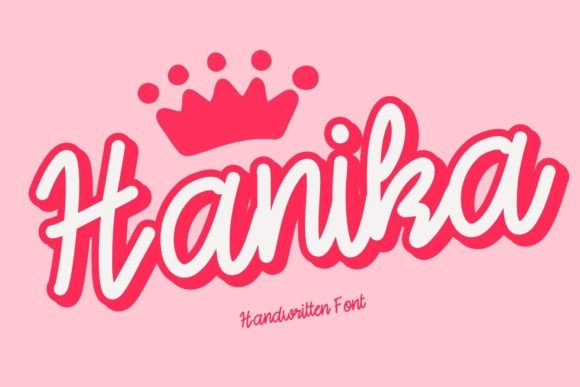
Hanika is a script font that feels like a friend’s handwriting—familiar, but with a little flair. It has a playful yet elegant structure, with slight variations in letter height and subtle bounce in the baseline that gives it life. It’s not overly formal like some calligraphy fonts, nor is it too casual like a scribbled note. That balance makes it ideal for a wide range of creative uses, from wedding invitations to boutique tags.
What really stands out is its authenticity. When I used Hanika for a set of greeting cards, the font gave each card a personal touch that felt like it was made just for the recipient. The font’s slight imperfections are what make it feel real, not digital. It adds a layer of emotional appeal that can be hard to achieve with more rigid, structured fonts.
Perfect for a Variety of Makers and Markets
Whether you’re creating printable wall art, planning a new line of stickers, or designing a wedding welcome board, Hanika adapts beautifully. I used it recently for a farmhouse-style sign and was surprised at how well it worked with rustic textures and vintage color palettes. It also shines in digital spaces—like in social media graphics or digital template previews—where a soft, handwritten look can add warmth and approachability.
- Candle labels
- Greeting cards
- Wedding invitations
- Planner stickers
- Printable wall art
- Boutique packaging tags
- Seasonal holiday tags
- SVG cut files for Cricut or Silhouette machines
Using Hanika for Branding and Product Presentation
As a maker, consistency in your brand matters. Hanika has become part of my shop’s visual identity. I use it in logo variations, product labels, and even on tote bags I sell in my Etsy store. It gives my items a signature look that customers are beginning to recognize. It’s amazing how a font can influence perceived quality—Hanika feels premium without being too fancy, which fits my handmade aesthetic perfectly.
When designing for physical products, readability is key. I’ve found that Hanika works best for short phrases, names, titles, or decorative text rather than long paragraphs. If you're using it for packaging or printed cards, make sure the size is legible and consider using it in combination with a clean sans serif font for supporting text like ingredients or descriptions.
Font Pairing Tips for Designers
One of my favorite ways to use Hanika is as a headline or accent font paired with something simpler. For example, I often pair it with a minimalist sans serif like Montserrat or Lato for body text. This contrast creates a nice visual hierarchy and keeps the design from feeling too busy. For a more romantic or vintage look, I’ll pair it with a light serif font like Playfair Display.
If you're creating a logo or a greeting card with multiple layers of text, try using Hanika for the main title and a bolder, more structured font underneath. It adds dimension and keeps the focus where you want it—on the message.
Technical Considerations for Makers
Before using Hanika in your designs, especially if you're selling physical products or digital downloads, it's important to check the licensing. Hanika is typically available with a commercial license, which means you can use it in your shop products without legal concerns. Always double-check the font’s license terms to ensure you’re covered for the specific use case—whether it’s for printables, SVG files, or product packaging.
Also, look into the font’s included features. Hanika often comes with alternates, ligatures, and swashes that can add variety and customization to your work. I’ve used these alternate characters in wedding invitations to create unique name designs that feel more bespoke. File formats like OTF, TTF, and WOFF are usually included, which makes it compatible with most design software and cutting machines.
Final Thoughts
Since adding Hanika to my design toolkit, I’ve found myself reaching for it more often than not. It’s versatile, warm, and brings a personal touch to every project I create. Whether I’m printing labels, designing digital templates, or crafting seasonal items, Hanika helps my work feel more connected to the people who buy it. As a maker, that kind of emotional resonance is priceless.